
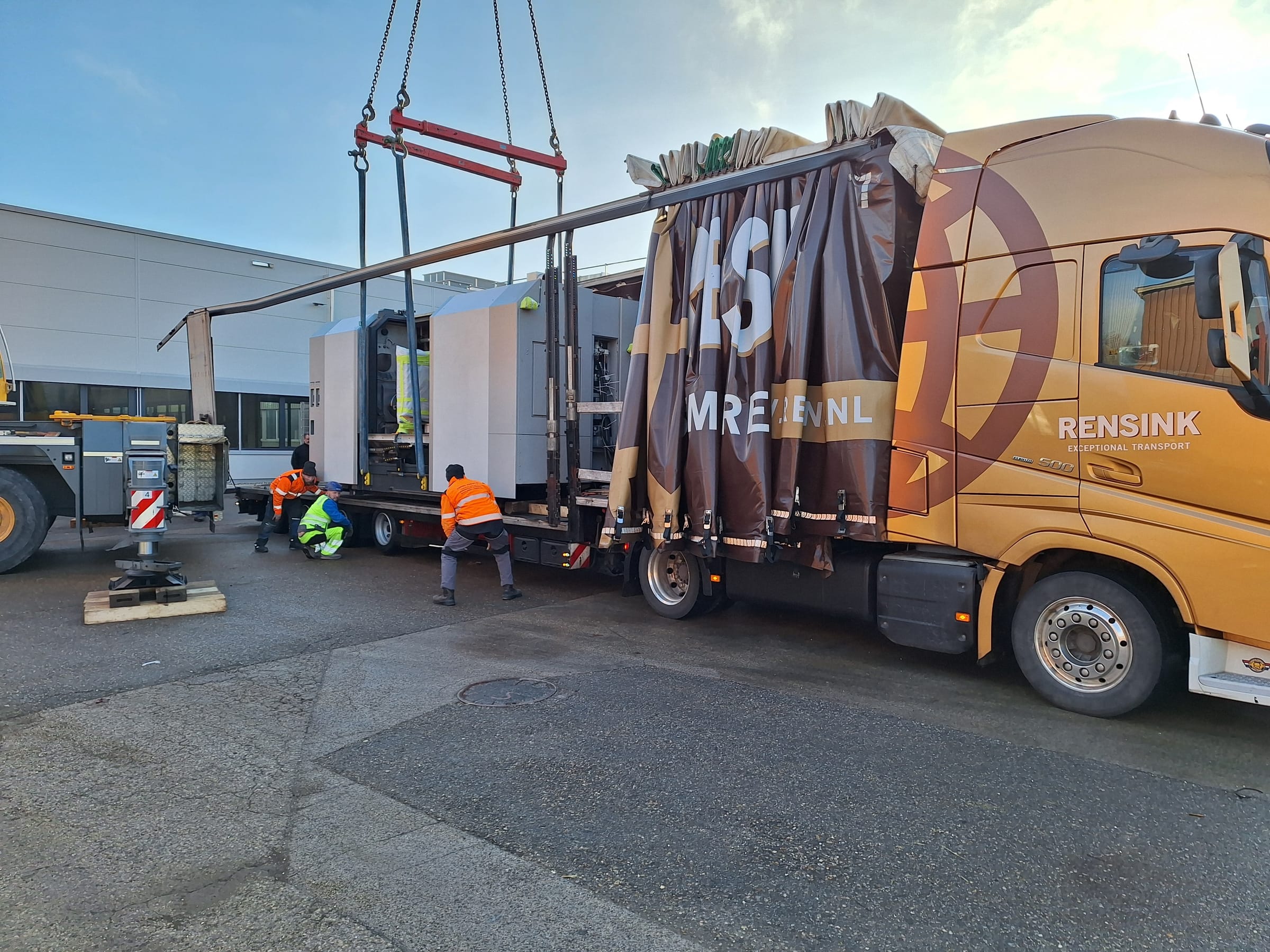
If you own a machine that’s still under a lease contract and want to sell it, you’ll run into an important legal constraint: the machine doesn’t belong to you — it belongs to the lessor. Even so, a sale is possible in many cases, if you take the right path.
This guide explains how selling leased machines actually works in practice, what costs are involved, and how to approach it in four steps.
Why leased machines are legally different
A lease contract is not an installment purchase. The leasing company (the lessor) is the owner of the machine — as the lessee, you only have the right to use it. If you buy the machine at the end of the contract for the agreed residual value, it only becomes your property at that point.
That means you can’t resell a leased machine without the lessor’s consent. Anyone who tries anyway risks a criminal complaint for misappropriation under Section 246 of the German Criminal Code (StGB).
The legal path: you agree with the lessor to terminate the contract early, or to settle the current residual value. From the purchase price we pay you, the payoff amount goes directly to the lessor; the difference — if positive — comes to you as net proceeds. If the payoff amount is higher than the purchase price, you pay the difference to close out the contract.
The four steps to selling a leased machine
Step 1 — Determine the machine’s market value: we value the machine for free and give you a realistic indication of the purchase price. That’s your starting point for every decision that follows.
Step 2 — Request the payoff amount from the lessor: ask your leasing company in writing for the current payoff amount for early contract termination. This typically takes 3–7 working days. Get the figure confirmed as valid for at least 30 days.
Step 3 — Check the economics: market value (our offer) minus the payoff amount equals your net result. If it’s positive, selling makes sense. If it’s negative, look at the alternatives (wait for the contract to end, keep paying the lease for continued use, or negotiate the payoff).
Step 4 — Complete the transaction: once you’ve reached agreement with the lessor, we buy the machine. Part of the purchase price goes directly to the lessor as the payoff, and the rest (the positive difference) comes to you. We can also communicate directly with the leasing company if that helps.
When the payoff amount is higher than the market value
This isn’t rare — especially with older CO2 lasers, outdated machines, or leases with high residual values that were calculated too optimistically at the time.
In that case, you have three options:
Option 1 — Wait for the lease to end: if the lease expires in under 12 months, this is often the most economical path. You pay the remaining lease installments, settle at the agreed residual value at the end (if that’s below market value, you gain an advantage on the subsequent sale), and sell afterward.
Option 2 — Negotiate the payoff amount: leasing companies are often open to negotiation, especially if the machine has lost significant value, the lessee is in financial difficulty, or the market for that equipment is known to be weak. A solid market valuation report from us can serve as a negotiating point.
Option 3 — Accept the loss: sometimes the loss from an early sale is smaller than the sum of the remaining lease payments for a machine you no longer need. That’s a calculation worth running with your tax advisor.
Bank loan instead of a lease — the simpler case
If your machine was financed with a bank loan rather than a true lease, the situation is simpler: the machine belongs to you, but the bank typically holds a security assignment. When you sell, you can apply the sale price directly to paying off the loan — similar to selling real estate with a mortgage. The bank releases the security assignment once the loan is paid off.
Direct purchase from leasing companies
If you’re a leasing company looking to liquidate machines from returned or expired contracts, we usually buy on our own account, with complete documentation. This is especially efficient for leasing portfolios with multiple units.
See also: plant closure with active lease contracts — when it’s not a single machine but an entire fleet that needs to be settled.
Request a free valuation of your leased machine — we’ll help you find the economically sound path.